The Real Cost of Self Storage: What Affects Your Monthly Rate

Unit Size Is the Biggest Variable
The single largest factor in your monthly rate is how much square footage you rent. A compact unit suited for a few boxes and a bicycle will cost considerably less than one large enough to hold the contents of a two-bedroom home. That sounds obvious, but the mistake many renters make is guessing at the size they need rather than measuring it out. Renting too large means paying for space you never use; renting too small means a second trip back to rent another unit.
To get a clearer picture before committing, use Daffodil’s storage unit size guide to match your inventory to a realistic footprint. Common sizes, such as our 5×5 units, work well for seasonal gear and a handful of boxes, while a 10×10 unit can typically hold the furniture and contents of a one-bedroom apartment. Knowing which category your belongings fall into before you shop will make every price comparison more meaningful.
What “Heated Storage” Actually Adds to the Price
A common misconception is that heated storage is a luxury upgrade you only need for delicate antiques or expensive electronics. The reality is that in the Pacific Northwest, where temperatures swing between cold, wet winters and warm summers, a temperature-stable environment is relevant for a much wider range of everyday items. Wood furniture can warp under repeated temperature swings. Electronics can develop condensation issues when stored in unregulated spaces through a PNW winter. Even documents and photographs can degrade faster in a unit that gets very cold and then heats up again.
Heated units do carry a higher monthly rate than standard units of the same size, and that premium is worth factoring into your budget from the start. If you are storing items that could be damaged without consistent temperatures, like wood furniture, electronics, instruments, or artwork, the cost difference between a standard unit and a heated one is usually modest compared to the cost of replacing what gets damaged. You can learn more about what heated storage units offer and whether they fit your situation by exploring our blog.
Location and Market Demand Move Rates Up or Down
Rental rates for self storage follow the same basic logic as any other real estate. Facilities in higher-demand areas tend to charge more. A storage facility in a dense urban neighborhood will typically price units higher than a comparable facility in a smaller town or suburban corridor. This is not a reflection of quality difference, but it is something you should take into account before renting.
For renters in the Pacific Northwest, this means rates can vary noticeably from one city to the next, even between towns that are relatively close together. If your schedule allows some flexibility in where you store, comparing rates across nearby locations can produce real savings. You can browse all Daffodil Storage locations to see what is available across the region and compare options by area.
Lease Structure and Promotions
Most self storage facilities operate on month-to-month leases, which gives renters flexibility but also means rates can be adjusted over time. Introductory promotions, such as a discounted first month, are common and can reduce your short-term cost significantly. The thing to watch for is what the standard rate becomes after the promotional period ends, since that is what you will actually pay for the majority of your rental.
If you are storing during a transitional period between homes, during a renovation, or while consolidating a household, a month-to-month lease works in your favor because you are not locked into a term longer than you need.
The Hidden Cost of Choosing the Wrong Size
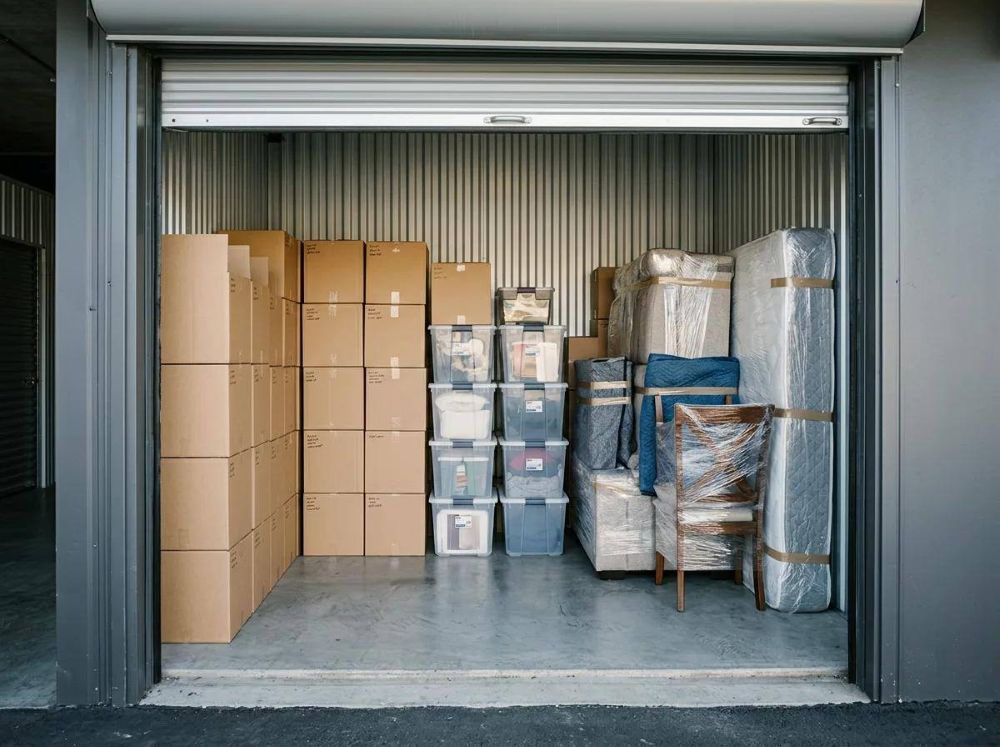
One cost that rarely shows up in rate comparisons is the cost of packing inefficiently. A renter who underestimates their unit size and has to upgrade mid-rental, or who rents a unit that is too large because they did not take stock of what they were storing, ends up paying more than necessary. Taking an hour to inventory what you plan to store, and cross-referencing it against a size guide, is genuinely worth the time.
If you are storing furniture specifically, the way you pack the unit affects how much space you actually need. Disassembling bed frames, stacking chairs, and using vertical space can reduce the footprint of a full room’s worth of furniture considerably. For practical guidance on that, our article on storing furniture in a storage unit covers the key techniques worth knowing before you start loading.
What a Fair Rate Actually Looks Like
Across the Pacific Northwest, monthly rates vary by unit size, features, and location, so contact us or browse online for current pricing at your nearest facility. Heated units at any size sit toward the higher end of the range. These figures shift with market conditions, so treat any estimate as a general orientation rather than a firm expectation.
A fair rate is one that reflects the size you actually need, the features you will genuinely use, and a facility that is honest about what changes after any promotional period. Knowing those three variables before you sign puts you in a much stronger position than comparing headline prices alone. If you are still working out what size makes sense for your situation, start with our unit size guide and then explore available options at Daffodil Storage locations across the region to find a rate and unit type that fits your actual needs.