How To Use Self Storage When Selling Your Home
Learn how self storage when selling a home helps you declutter, stage, and bridge closing dates. Tips for Tacoma, Puyallup, and Seattle-area sellers.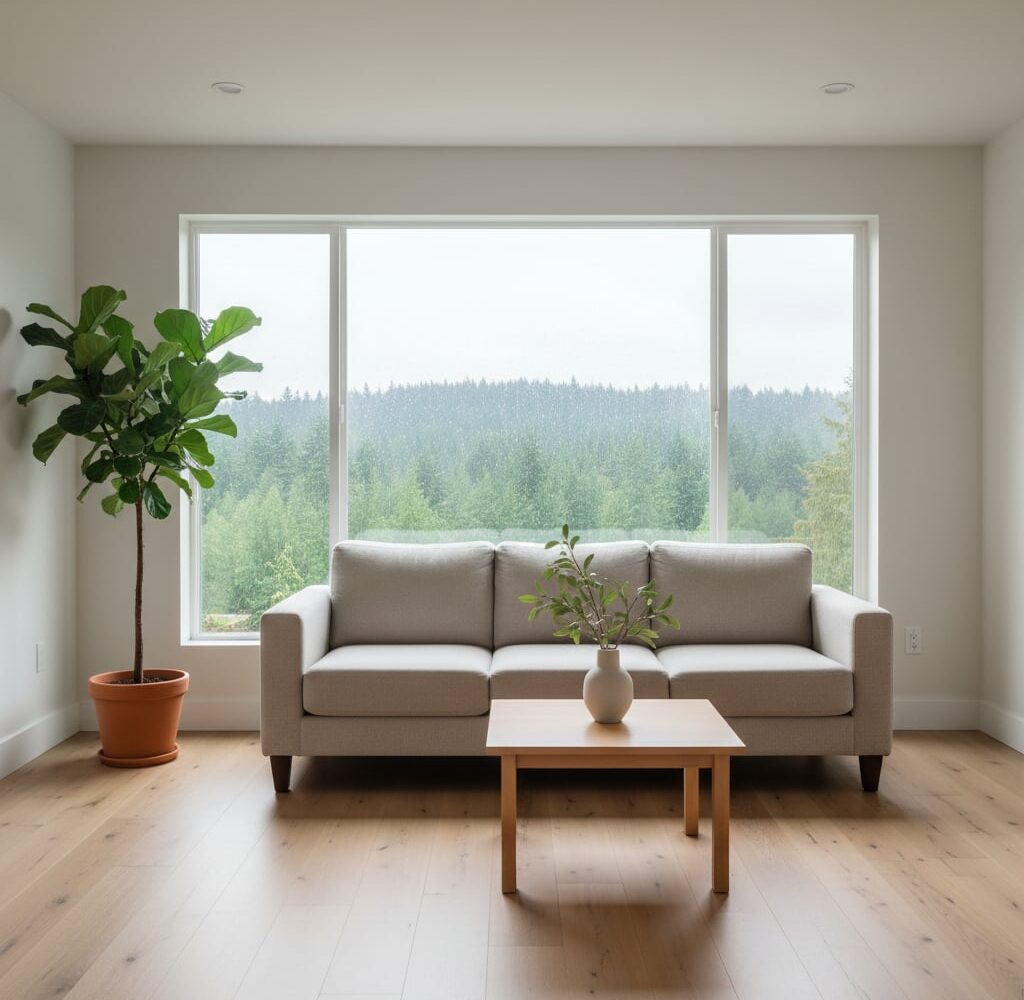
Selling a home is one of the most involved logistical undertakings most people face, and in competitive markets like Tacoma, Puyallup, and the greater Seattle area, the details matter. The difference between a listing that sits and one that attracts multiple strong offers often comes down to presentation. Staged, decluttered homes sell faster and for more money, and that process almost always requires somewhere to put things temporarily.
That is where using self storage when selling a home becomes a practical, powerful tool rather than an afterthought. A well-chosen storage unit gives you the flexibility to move furniture out before showings, bridge the gap between closing dates, and manage the entire move in organized stages, without the pressure of doing everything at once.
Whether you are a first-time seller or someone who has been through the process before, Daffodil Storage is here to walk you through exactly how to use storage at every stage of your home sale, from the first declutter session to move-in day.
Why Decluttering Before Listing Is Your Strongest First Move
Buyers in the Tacoma, Puyallup, and greater Seattle markets make up their minds fast. Research consistently shows that home shoppers form a first impression within seconds of walking through the door, or even just scrolling through listing photos online. A clutter-free home photographs better, feels more spacious, and almost always commands stronger offers in a competitive seller’s market.
A practical checklist makes the staging process manageable:
- Closets: Aim for roughly 50% capacity, so they look roomy and organized.
- Countertops: Clear them completely. Every small appliance should go.
- Personal photos and memorabilia: Box these up and move them out.
- Furniture: Reduce to one or two anchor pieces per room to define the space without crowding it.
Not sure how much storage space you will need? Use our unit size guide to match your volume of items to the right unit.
Staging With Storage: Where To Put Furniture During Showings
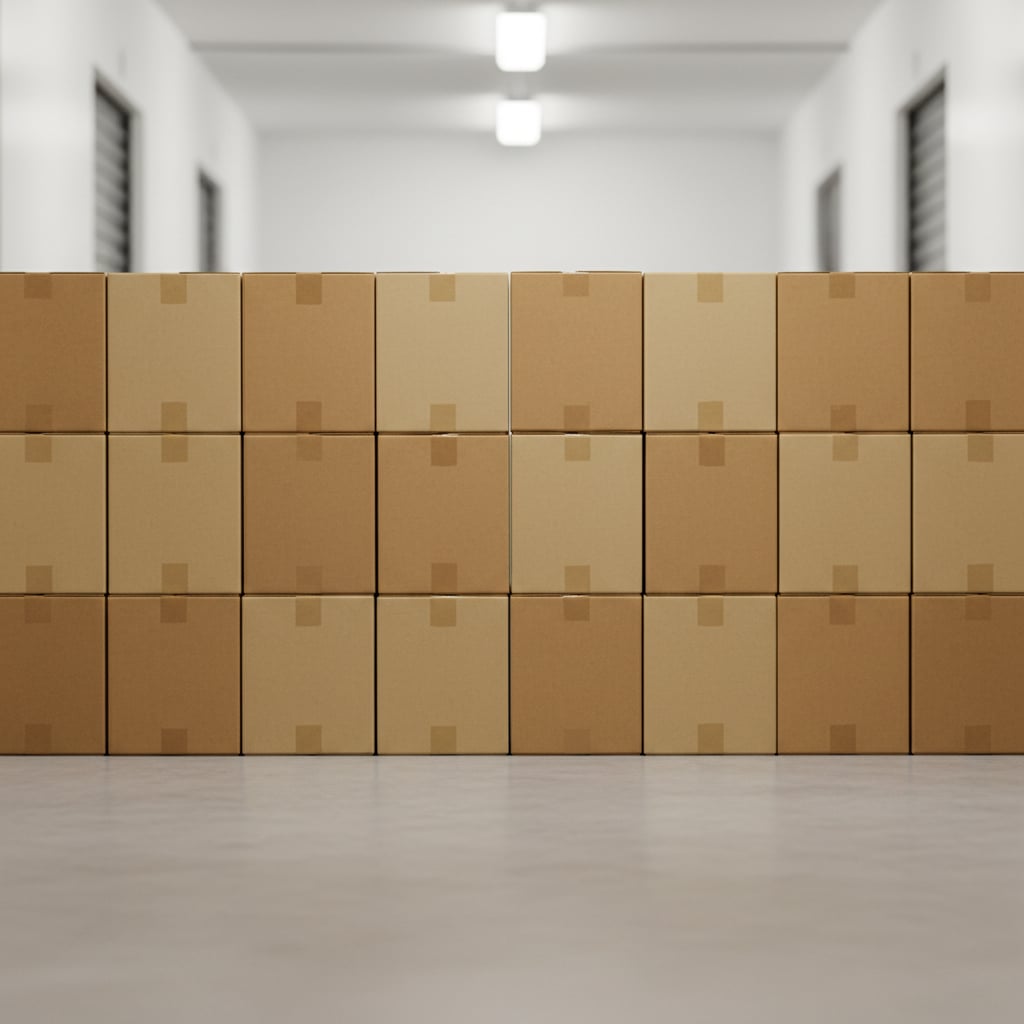
Once you have identified which pieces need to leave the home, you need a reliable place to put them. This is exactly what Daffodil’s storage units for home staging are designed for. A short-term rental gives you a dedicated off-site space during the active listing window, and because our facilities offer month-to-month leases, you are never locked into a contract that outlasts your sale.
When deciding where to put furniture when selling your house, prioritize the bulkiest pieces first:
- Oversized sofas that make living rooms feel cramped.
- Extra dining chairs that crowd the table area.
- Secondary bedroom furniture like double dressers or large entertainment centers that shrink perceived square footage.
- Seasonal gear stored in closets or the garage that buyers will open and inspect.
The Pacific Northwest’s rainy season adds another layer of consideration. Garages and outdoor areas are impractical for staging during Washington’s cold, wet winters. Items left exposed there can warp, fade, or simply look neglected. A climate-controlled storage unit in Washington helps keep wood furniture and upholstered pieces within a consistent temperature range, protecting them through the shoulder seasons while your listing is active.
Think of your unit as a staging warehouse. Keep items organized with clear pathways and labeled boxes so that retrieval on move-in day is seamless. Check out our tips on how to store furniture in a storage unit to make the most of every square foot. Finally, coordinate with your real estate agent on which pieces to keep in the home. Less is almost always more when staging in competitive Washington markets.
Bridging the Gap Between Closing Dates Without the Chaos
Mismatched closing dates are one of the most overwhelming logistics challenges home sellers face. You may sell your current home weeks before your new one is ready, or find yourself waiting on a delayed closing while still needing to vacate. Temporary storage when moving gives you a flexible buffer so you are not rushing between two deadlines or cramming everything into a relative’s garage.
The smartest approach is to move in stages. Start by transferring non-essential belongings into storage first, then stage and sell your current home with only the pieces you need day to day. Once your offer is accepted and a closing date is set, you can plan your full move with confidence.
Heated storage is especially valuable during Washington’s fall and winter close-date crunches. A temperature-stable environment shields electronics, musical instruments, and solid wood furniture during a weeks-long gap between homes. For a deeper look at what benefits a temperature-consistent unit offers, explore our guide on what to store in a heated unit during winter.

Choosing the Right Unit Size and Features for a Home Sale Move
Booking the wrong size is one of the most common and avoidable mistakes sellers make while renting storage. Underestimating your space leads to a second unit rental mid-listing, which is both inconvenient and more expensive. Overestimating means paying for square footage you simply do not need.
Beyond size, a few features matter especially during a home sale:
- Climate-controlled units are the smart choice for furniture, artwork, and electronics during the Pacific Northwest’s unpredictable shoulder seasons.
- Drive-up access makes loading and unloading far more practical when you are working around showing schedules and agent appointments. You can drop off a carload of boxes early in the morning or late in the evening, whenever it fits your schedule.
- Proximity matters more than people expect. A facility within 15 to 20 minutes of your Tacoma, Puyallup, or South Seattle home makes it practical to retrieve items for open houses or drop off last-minute boxes without losing half a day.
If you are unsure which features apply to your situation, our storage tips and planning resources can help you sort through the options before you commit. Sellers in the South Sound area can also browse storage units in Puyallup or storage units in Tacoma to find a location that fits their timeline and budget.
Your Next Steps Toward a Seamless Home Sale With Storage
The sellers who move through the listing process with the least stress are almost always the ones who planned ahead. Booking a storage unit two to three weeks before your listing goes live gives you time to declutter intentionally rather than in a last-minute rush. That window also lets you make multiple trips, organize your unit properly, and handle unexpected discoveries like a closet you forgot was packed floor to ceiling.
Start with a fresh walkthrough of your home. Invite a trusted friend or neighbor to give honest feedback about which items are pulling focus away from the home’s best features. Their outside perspective is genuinely valuable when you have lived with the same furniture arrangement for years.
Peace of mind during a home sale comes from having a clear plan. Daffodil Storage can be the backbone that makes staging, showing, and moving in stages feel manageable rather than overwhelming. Reach out to a local facility in the Tacoma or Puyallup area to reserve your unit, confirm sizing, and get your home-sale move started on the right foot.