Preventing Mold and Mildew: A Guide to Storing in the Pacific Northwest
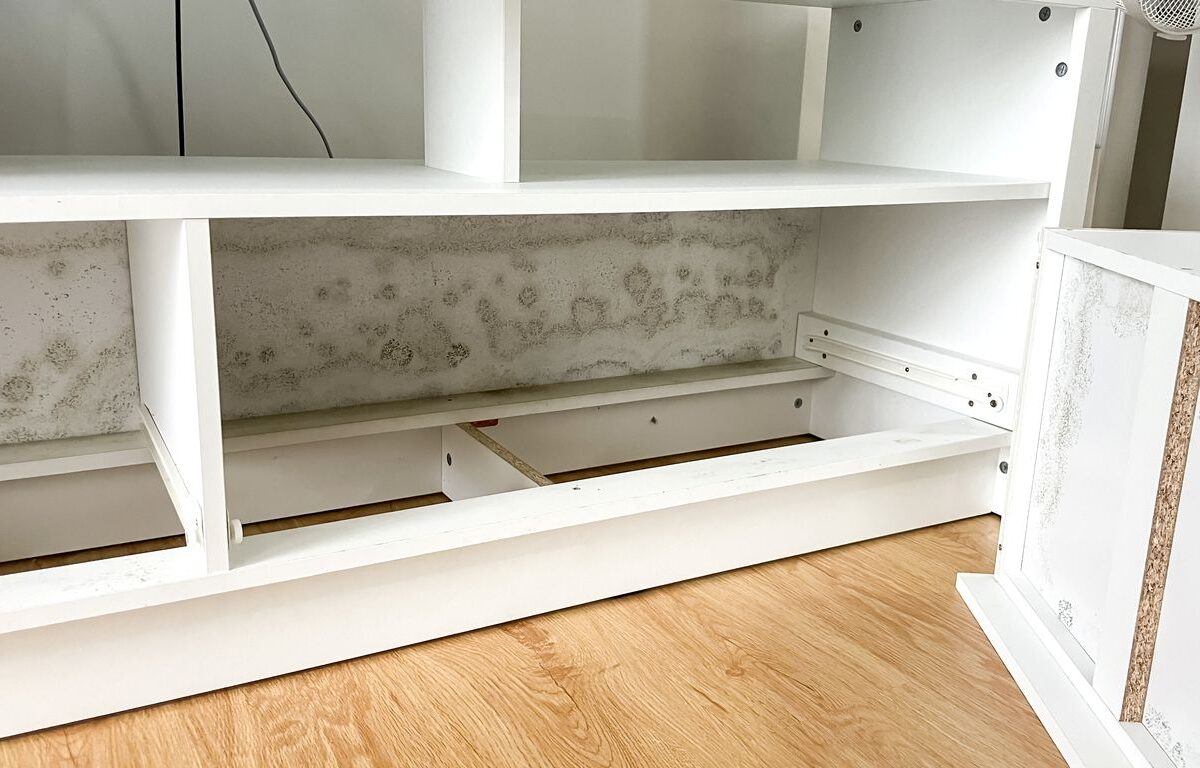
The Pacific Northwest is known for steady rain, cool temperatures, and damp air that tends to linger. While that climate supports beautiful landscapes, it also creates ideal conditions for mold and mildew. If you are wondering how to prevent mold in a storage unit, especially in the PNW, understanding regional moisture patterns is the first step.
Preventing mold in a storage unit starts with understanding how humidity behaves in this region. Even after rainfall slows down, damp air can settle into fabrics, cardboard, and untreated wood. Over time, that buildup turns into musty odors and visible stains.
Why Moisture Is a Year-Round Concern in the PNW
Humidity does not disappear when the rain stops. In the Pacific Northwest, moisture levels often stay higher than expected, even during clearer weeks. That is why many PNW storage tips focus on airflow, insulation, and steady interior temperatures.
Colder weather adds another layer of risk. When warm indoor air meets cooler surfaces, condensation forms quickly. In non-heated spaces, that moisture can quietly collect on furniture, boxes, and mattresses. Over time, these conditions create an environment where mold and mildew can develop more easily. Recognizing these patterns early helps reduce long-term moisture buildup.
Choosing the Right Storage for Moisture Control in the PNW
Many people search for climate-controlled storage when thinking about mold prevention. The goal is consistency, especially in regions where temperature swings and damp conditions overlap.
In the Pacific Northwest, heated storage units play an important role during colder months. By maintaining warmer interior temperatures, a heated storage unit helps limit condensation that can settle on stored items. Choosing heated storage built around local weather patterns adds another layer of temperature stability during extended rainy seasons and supports better mildew prevention.
PNW Storage Tips for Mold and Mildew Prevention
Preparation matters just as much as the storage environment. Before placing items into a storage unit, clean and completely dry everything. Even slight dampness can lead to mildew growth over time.
Use plastic bins instead of cardboard when possible, and elevate boxes or furniture on pallets rather than placing them directly on the floor. Leaving small gaps between stacks allows air to circulate more freely. Choosing sturdy containers and protective covers from available packing and moving supplies helps reduce exposure to damp conditions and supports long-term mold prevention.
Organize Your Storage Unit With Airflow in Mind
How you arrange your belongings makes a difference. Overfilling a storage unit can trap humidity and restrict ventilation.
When organizing your heated storage unit, focus on creating space between stacks and keeping items slightly away from walls. Allowing air to move more freely reduces damp pockets and supports long-term mold prevention. Thoughtful layout planning helps maintain the condition of stored belongings throughout the year.
Store With Confidence at Daffodil Storage
Preventing mold and mildew in the Pacific Northwest requires an understanding of how regional moisture patterns affect stored belongings. Consistent temperatures, proper airflow, and thoughtful preparation before move-in all contribute to better year-round storage conditions.
At Daffodil Storage, our heated storage units are well-suited for the damp climate common across Washington and the broader PNW. Explore our locations across the state to compare options, and visit our FAQ page to learn more about available features before reserving your storage unit.