How To Protect Items in a Storage Unit From Dampness and Pests
Orders come through, a PCS move is on the calendar, and suddenly there are a household’s worth of belongings that need somewhere to go, and fast. Knowing how to protect your belongings in storage can make the difference between pulling things out in good condition six months later and finding a mess. The Pacific Northwest’s wet climate and the reality of shared storage facilities mean a little preparation goes a long way. Here’s what actually works, and how Daffodil Storage can help.
The Biggest Misconception About Storage Units
A standard unheated storage unit isn’t a sealed chamber; it’s an enclosed space that responds directly to the outdoor environment. In the Pacific Northwest, that means cool, wet air cycling through the building for a significant portion of the year. Wood furniture can warp, cardboard boxes can weaken, and fabrics can develop mildew if items aren’t packed and positioned with that reality in mind.
Most renters load up without accounting for what the environment will do over weeks or months. The fix isn’t complicated, but it does require some intentional prep before you lock the door and walk away.
Start With the Right Unit
Unit selection matters more than most people realize. A heated storage unit keeps the interior temperature from swinging as dramatically as an unheated space does. For items like electronics, wood furniture, musical instruments, and documents, a consistent temperature range reduces the risk of warping, cracking, and other damage that builds up over time. Daffodil Storage offers heated units at its Tacoma locations, which can be a practical option for anyone storing temperature-sensitive belongings through a Pacific Northwest winter or an extended deployment.
Size matters too. Cramming too much into a small unit forces you to stack things in ways that block airflow and put weight on fragile items. Use our storage unit size guide to match the unit to what you’re actually storing, not just to what seems cheapest at first glance.
Pack to Create Airflow, Not Just to Fill Space
Airflow is the single most underrated factor in keeping stored items in good condition. When boxes and furniture are pressed flush against every wall and stacked ceiling-high with no gaps, air stagnates. That stagnant air is where problems start.
A few smart storage habits that help:
- Leave a few inches of space between your items and the unit walls, especially on the exterior walls that face outside.
- Use shelving or pallets to lift boxes off the concrete floor. Concrete can transfer cold and contribute to condensation on the bottom of cardboard boxes over time.
- Stack heavier, sturdier items on the bottom and lighter, more fragile ones on top. This is important not just for structural reasons, but because it makes it easier to shift things around without disturbing the whole unit.
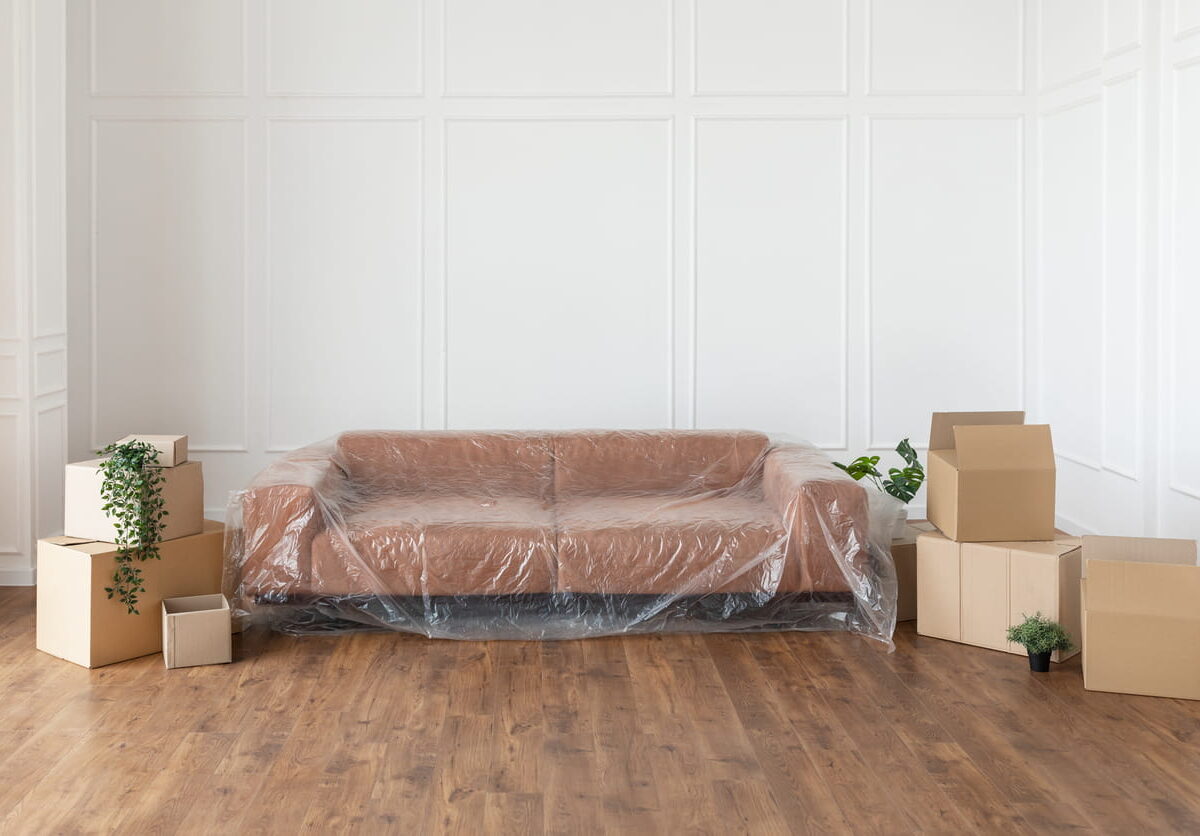
- Avoid plastic sheeting draped directly over furniture. It traps air against the surface rather than letting it circulate. Use breathable fabric covers instead.
Pests: What Actually Gets in and How To Stop It
The misconception here is that pests are primarily a problem in rural or run-down facilities. In practice, any storage environment can attract insects or rodents if the conditions are right, and the conditions are usually created by what renters bring in, not the facility itself.
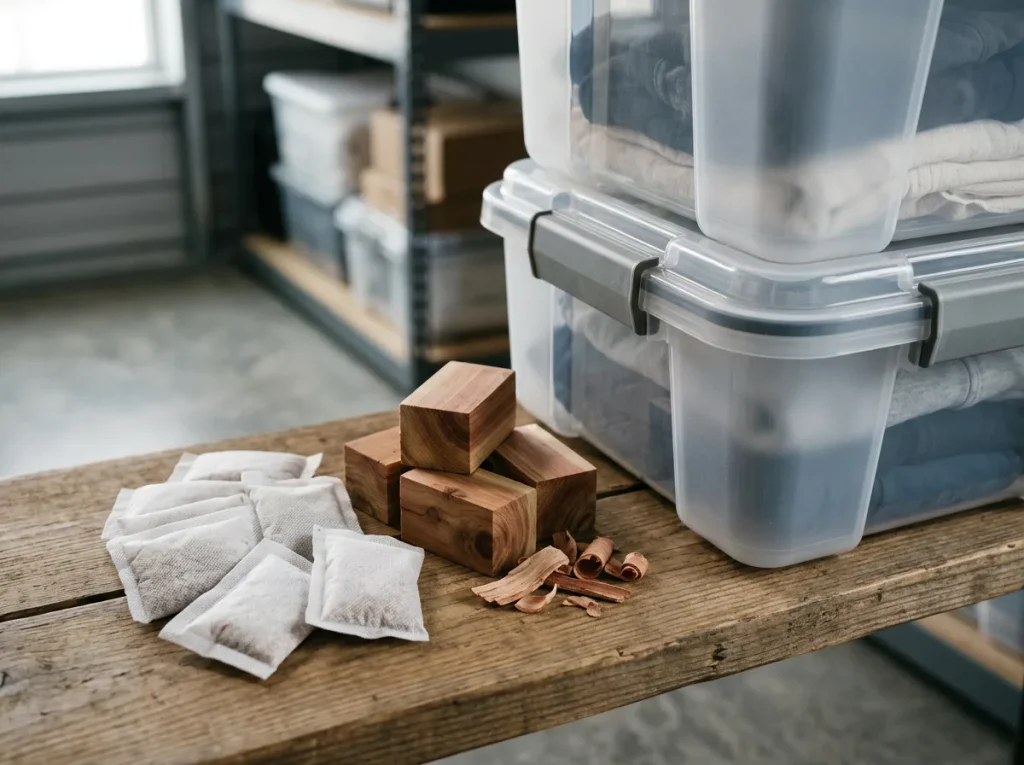
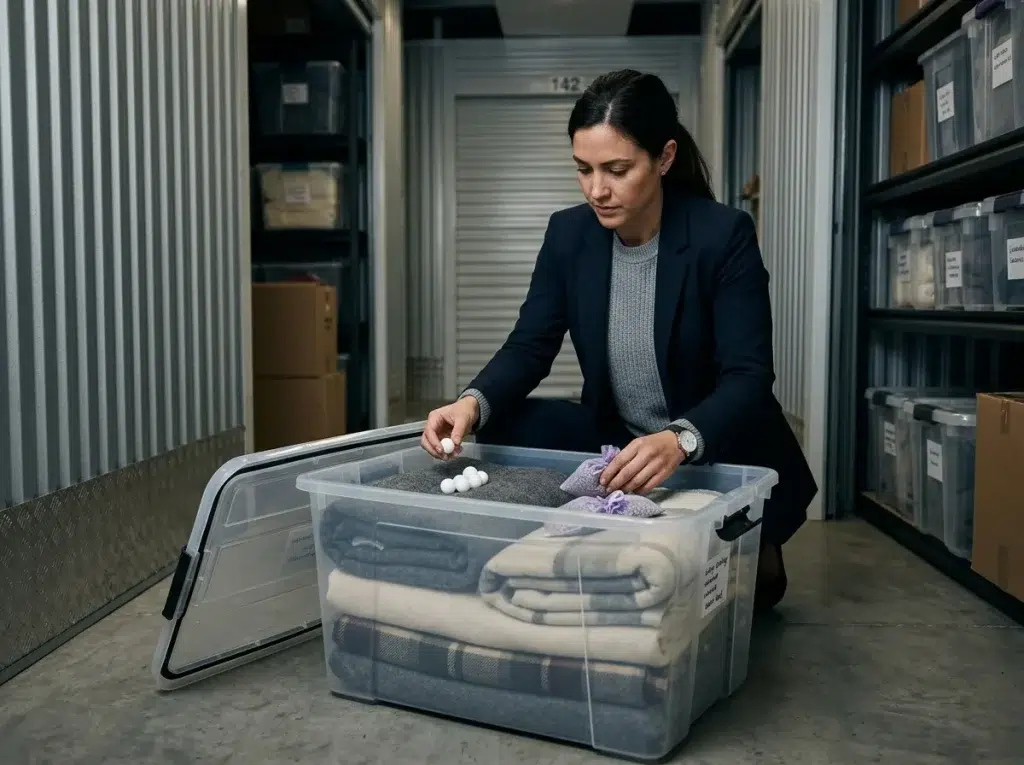
Cardboard boxes are the main culprit. Insects, particularly silverfish and cockroaches, are drawn to cardboard and paper. Rodents will chew through it. Switching to plastic bins with tight-fitting lids for anything you plan to store for more than a couple of months removes a major attractant and provides a physical barrier.
Other steps worth taking:
- Clean and dry everything before it goes into the unit. Residue on kitchen items, soil on gardening equipment, and odors on fabric upholstery can all draw pests.
- Don’t store anything with food residue, including pet food bags, birdseed, or anything that smells edible. Even sealed packaging isn’t always enough.
- Cedar blocks or cedar-lined storage bags work well for fabric items like clothing, bedding, and upholstered cushions. Cedar is a natural deterrent for moths and some insects without introducing chemicals near your belongings.
- Check the unit periodically if you’re storing long-term. Catching a problem early is far easier than dealing with it after months of undetected activity.
Furniture Deserves Special Attention
Wood furniture is particularly vulnerable to temperature swings and the PNW’s wet seasons. Disassemble what you can. Table legs, bed frames, and shelving units take up less space when broken down, and they’re less likely to warp when they’re not bearing their own structural load. For tips on positioning and wrapping furniture correctly, our furniture storage guide covers the specifics in more detail.
Upholstered pieces like sofas and mattresses should be wrapped in breathable covers, not plastic wrap. Plastic traps air against the fabric and can lead to mildew developing on the surface over a long storage period. If you’re storing a mattress, keep it flat rather than standing it on its side because the internal structure isn’t designed to bear its own weight vertically for extended periods.
The PNW Factor: Storing Through a Wet Season
Tacoma’s wet season runs long, and anyone storing belongings through fall and winter in the 253 should plan accordingly. Our article on preventing mold and mildew in Pacific Northwest storage is worth reading before you load up a unit in October. The short version: items that arrive damp, even slightly, are a liability. Air out everything thoroughly before it goes in, and give particular attention to camping gear, sports equipment, and anything that’s been in a garage or shed.
For military families in Lakewood and the JBLM corridor who are storing household goods ahead of a deployment or PCS move, the timeline pressure is real, but taking an extra hour to prep items correctly before loading them in prevents a much bigger problem on the other end. A unit that’s been sitting for six months in a PNW winter will reveal every shortcut you took on packing day.
Finding the Right Facility
Not all storage facilities are built the same, and the quality of the building itself affects how well your prep work holds up. Look for a facility with solid construction, good drainage around the building, and units that are well-maintained. Daffodil Storage’s Tacoma storage locations are a practical starting point if you’re in the south Puget Sound area and need a unit that fits the realities of PNW storage. You can also browse all our available options to find the facility closest to where you need it.
Protecting your belongings in storage comes down to a few consistent habits: choose a heated unit for temperature-sensitive items, pack with airflow in mind, use plastic bins over cardboard for long-term storage, and prep everything before it goes in. Do those things, and the PNW’s wet winters become a much smaller factor in what comes out the other side in good shape.