What You Should Never Store in a Self Storage Unit

Renting your first storage unit feels straightforward until you open the rental agreement and realize that not everything you planned to bring is actually allowed. First-time renters are regularly surprised by how many common household items fall under prohibited storage categories. A quick read-through of the rules before you load the truck can save you from a terminated contract, unexpected fees, or worse, damage to your own belongings.
Daffodil Storage facilities across the Pacific Northwest, including those serving Puyallup and the greater Tacoma area, operate under a combination of state regulations and facility-specific policies. That means the prohibited items list at your local facility isn’t arbitrary; it reflects genuine safety standards designed to protect every renter in the building.
Today, the experts from Daffodil will go through what not to store in a self storage unit, cover the items that are technically allowed but probably shouldn’t be kept in a standard unit, and offer practical alternatives so you can make smart decisions from day one.
Why Knowing the Rules Saves You Time, Money, and Stress
The rental agreement you sign isn’t just legal boilerplate. Skipping over the prohibited items section is one of the most common mistakes new renters make, and it can lead to unit termination, forfeited deposits, or liability for damage caused to neighboring units. Taking fifteen minutes to read through those policies upfront is time well spent.
In the Pacific Northwest, facilities follow state-level fire codes, environmental regulations, and local ordinances that restrict certain materials regardless of what any individual renter prefers. These rules exist because storage units share walls, ceilings, and ventilation. One renter’s improperly stored chemicals or pest-attracting items can become every renter’s problem.
If you’re new to renting, our storage tips for first-time renters are a great companion to this guide. Together, they’ll help you walk into your first rental with confidence rather than guesswork.
Items That Are Absolutely Off-Limits in Any Storage Unit
Some prohibited items are non-negotiable at every reputable facility, regardless of location.
- Hazardous materials: Gasoline, propane tanks, paint, pesticides, and cleaning solvents are strictly prohibited due to fire and chemical risk. If you’re storing a lawn mower, generator, or other gas-powered equipment, drain the fuel tank completely before bringing it in.
- Perishable food and live plants: In the cool, wet Pacific Northwest climate, organic matter deteriorates rapidly and attracts pests that can spread to neighboring units and damage their contents.
- Living creatures: No animals of any kind are permitted in a storage unit, including pets. This is both a welfare issue and a strict facility policy enforced at every location.
- Unlicensed firearms, illegal substances, and stolen property: These are prohibited by law and subject to immediate legal consequences, including law enforcement involvement.
- Flammable or explosive materials: Fireworks, large quantities of ammunition, and certain aerosol products fall under hazmat restrictions. Dispose of these through proper local channels before renting.
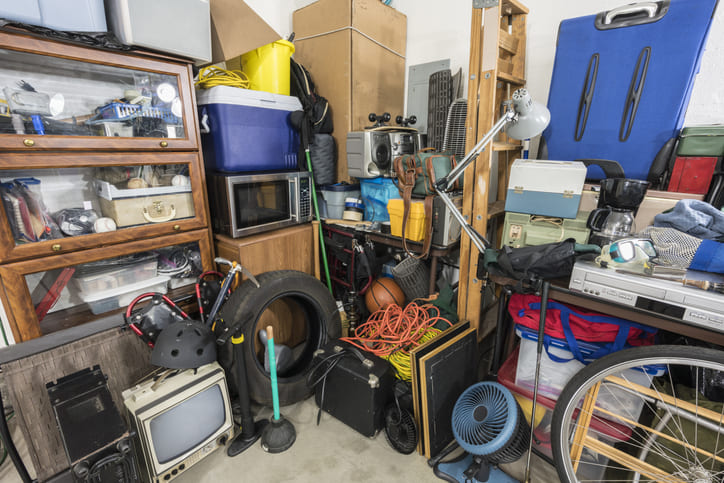
Items You Technically Can Store, But Probably Shouldn’t
Beyond the hard prohibitions, there’s a category of items that are allowed in storage units but carry real risk when placed in the wrong environment. These are the items that deserve a second look before you pack them up.
- Cash, jewelry, and irreplaceable documents: Passports, birth certificates, and property deeds should never go into a standard unit. A bank safe deposit box or a home safe offers far better security and peace of mind for items that can’t be replaced.
- Electronics and wood furniture: Both are vulnerable to the Pacific Northwest’s temperature swings. For long-term storage, a heated storage unit with a consistent temperature range is strongly recommended to prevent warping, cracking, and component damage.
- Sentimental items with no replacement value: Family photos, handmade heirlooms, and original artwork deserve a temperature-stable environment, not a standard unit exposed to cold Pacific Northwest winters.
- Collectibles, wine, and vinyl records: These can warp or degrade without a stable, consistent temperature range. Use our unit size guide to find a temperature-controlled option that fits your budget and your collection.
- Uninsured high-value items: Check whether your renter’s or homeowner’s insurance covers stored property before placing anything valuable in a unit. If it doesn’t, ask your facility about available coverage options.
Preparing your items for long-term storage means thinking beyond what fits in a box. For a deeper look at how to do that well, our guide on preparing your items for long-term storage walks through the process step by step.
Store Smart: What to Remember Before You Rent
Understanding what not to store in a self storage unit will help you make smart decisions that protect your belongings, your budget, and your fellow renters. Hazardous materials, perishables, and living creatures are always off-limits. Valuables, temperature-sensitive items, and irreplaceable documents deserve more protection than a standard unit provides. And for everything else, a little intentional planning makes the whole process go smoothly.
Whether you’re decluttering before a move, staging a home, or simply reclaiming space in your garage, the right unit type makes all the difference. Explore Daffodil’s options for storage units in Tacoma or browse locations in Puyallup to find a facility that fits your needs, your timeline, and your budget. The peace of mind that comes from storing thoughtfully is worth every bit of the preparation.