How To Organize a Storage Unit You Can Actually Navigate
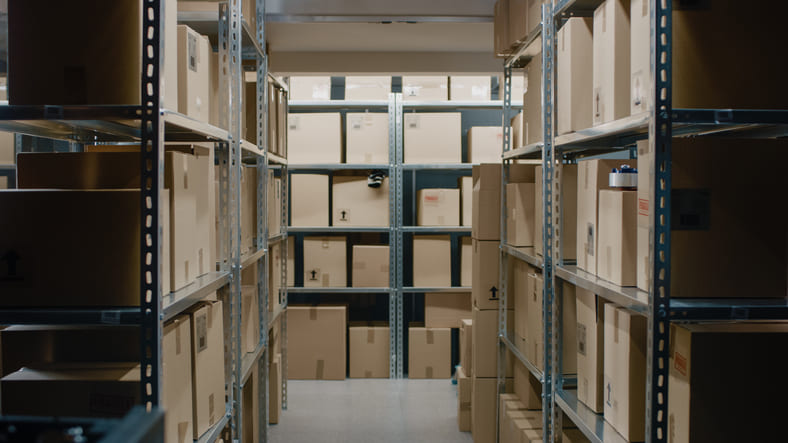
Most storage units start with good intentions. You carry in the first load, stack a few boxes neatly, and tell yourself you’ll sort it out later. Two moves later, that unit has become a wall of cardboard with no clear path, no logic, and no way to find anything without moving half of it first. Sound familiar?
The most common culprits are random stacking, no defined pathways, and mixing items you need every week with things you won’t touch for years. In the Pacific Northwest, where the Tacoma and Puyallup area deal with frequent rain and cold temperatures, there’s an added layer of urgency. Unloading and reloading boxes in the rain because you can’t find what you need is a real problem when it’s happening every other month.
The fix is a concept called intentional zoning. Instead of treating your unit like a catch-all space, you treat it like a room with a purpose, one that has designated areas, a logical flow, and a layout you planned before the first box went in. A well-organized unit saves time, reduces stress, and gives you genuine peace of mind every time you need to retrieve something. Here’s how to build one.
Why Most Storage Units Become Impossible To Navigate (And How To Fix It)
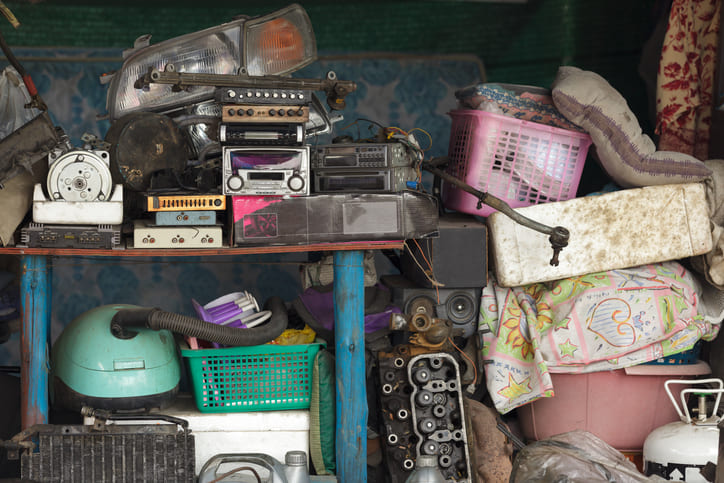
Before you can fix the problem, it helps to understand exactly how storage units go wrong. The pattern is almost always the same: items get added without a plan, pathways disappear as the unit fills up, and before long, you’re dealing with a space that feels overwhelming every time you open the door.
Random stacking is the first mistake. When boxes go in without regard for weight, frequency of use, or category, the result is an unstable, confusing pile. The second mistake is skipping pathways entirely. Once the floor is covered, you can’t reach the back without a full excavation. The third is mixing seasonal items with everyday-access items, so everything gets in the way of everything else.
Intentional zoning solves all three. By deciding in advance where each category of item lives and committing to a center aisle, you create a unit that stays navigable even as it fills up. It takes maybe 20 extra minutes of planning before move-in, and it pays off every single visit after that.
How To Zone and Map Your Storage Unit for Seamless Access
The foundation of any well-organized unit is a three-zone layout. Think of your unit as three distinct areas moving from front to back, each serving a different purpose based on how often you need what’s inside.
- Front access zone: This is prime real estate. Reserve it for items you reach for regularly, sports equipment for the current season, tools you use on weekends, or boxes you’re actively working through during a move.
- Middle zone: Seasonal items live here. Think holiday decorations, camping gear that comes out in summer, or winter clothing stored during warmer months. You’ll access this area a few times a year, not a few times a week.
- Deep storage zone: The back of the unit is for rarely accessed belongings, archived paperwork, or furniture you’re holding onto but don’t currently need.
Once you’ve defined your zones, create a storage unit map, even a hand-drawn sketch, that notes which zone holds which category of items. Keep a photo of it on your phone and tape a copy inside the unit door. When you visit six months from now, you’ll thank yourself.
Use vertical space intentionally: heaviest, sturdiest boxes go on the bottom, lightest items on top. In addition, always leave a center aisle at least 24 inches wide so you can walk to the back without moving anything. That aisle is the single most impactful step for long-term navigability. Before signing a lease, use our unit size guide to confirm your chosen unit can realistically accommodate this layout.
Top Tips for Storing Furniture Without Wasting Precious Space
Furniture is the biggest space challenge in any storage unit. Large, awkward pieces can eat up floor space fast, but with a little planning, you can fit far more than you’d expect. For a deeper dive, check out these tips on how to store furniture in a storage unit the right way.
- Disassemble what you can: Remove table legs, take apart bed frames, and stack sofa cushions separately. This dramatically reduces the footprint of large pieces and makes stacking far more efficient.
- Store vertically when you are able: Sofas, mattresses, and headboards can stand upright along the walls, freeing up your floor space for boxes and bins. Just make sure they’re secured so they won’t tip.
- Nest smaller items inside furniture: Fill dresser drawers, armoire interiors, and hollow ottomans with soft goods like linens, pillows, or folded clothing. Every cubic foot counts when you’re maximizing storage space.
- Choose a heated unit for wood and upholstered pieces: Western Washington winters are cold and damp. A heated storage unit maintains a consistent temperature range year-round, which is far kinder to wood joints, leather, and fabric than an unheated space subject to temperature swings.
- Cover furniture with breathable materials: Use moving blankets or cotton drop cloths rather than plastic sheeting. In a temperature-regulated environment, plastic can trap condensation against surfaces, as breathable coverings let air circulate while still protecting your pieces.
Building a Labeling System That Actually Works
A great layout means nothing if you can’t find what’s inside your boxes. Labeling is the step most people rush, and it’s almost always the thing they regret most when they’re standing in their unit six months later, opening box after box looking for one specific item.
- Label on at least two sides and the top: Use large, bold text, a marker on a white label, or directly on the box. Never rely on a single label that may end up facing the wall.
- Use a color-coded system by category: Blue for kitchen, red for holiday decor, green for outdoor gear. You can identify the right box at a glance without reading every label, which is especially useful when you’re in a hurry.
- Maintain a master inventory list: A simple spreadsheet or notes app entry that matches box numbers or labels to their contents makes seasonal rotations seamless. When you need to find the box with the Thanksgiving serving dishes, you’ll know exactly which one to grab.
- For short-term storage situations: If you’re staging a home during a seller’s market or bridging a gap between moves, label boxes by room destination rather than contents. When you arrive at your new place, unpacking becomes a much smoother process.
- Mark ‘open first’ boxes clearly: Place these near the unit door so time-sensitive items, chargers, medications, and work documents are never buried under everything else.
For anyone new to renting a unit, these labeling habits pair well with the broader advice in our storage tips for first-time renters, which covers the full setup process from start to finish.
Your Next Steps Toward a Storage Unit You’ll Actually Want To Use
The best time to get organized is before anything goes into the unit. Start with a declutter pass. Every item that enters your unit should be there intentionally, not because you didn’t want to deal with it. If you’re not sure where to start, our guide on decluttering before a move walks you through the keep-or-toss decision process clearly.
Once your unit is set up, schedule a seasonal rotation twice a year. Spring and fall work well for residents in Tacoma and Puyallup, as it aligns naturally with swapping out gear and reassessing what you actually need at hand. After each visit, take 60 seconds to update your storage unit map if anything has moved.
If your current unit still feels overwhelming after applying these strategies, it may be worth considering whether a larger unit or switching to a heated storage unit with a more practical layout would better serve your needs. Renting the right-sized space from the start with Daffodil Storage prevents the domino effect of poor organization that comes from cramming too much into too little room.
Treat your storage unit as an extension of your home. A little ongoing maintenance goes a long way toward keeping it a genuine resource rather than a source of stress. When the system works, you spend less time searching and more time doing, and that’s the whole point. Find your space with Daffodil Storage today at one of our many locations, like Rainier View Storage – Buckley or Daffodil Storage – Federal Way