How To Store Fishing Gear: Rods, Reels, and Tackle
Learn how to store fishing gear the right way in the Pacific Northwest. Tips for rods, reels, tackle, and storage units near Tacoma, Puyallup, and Seattle.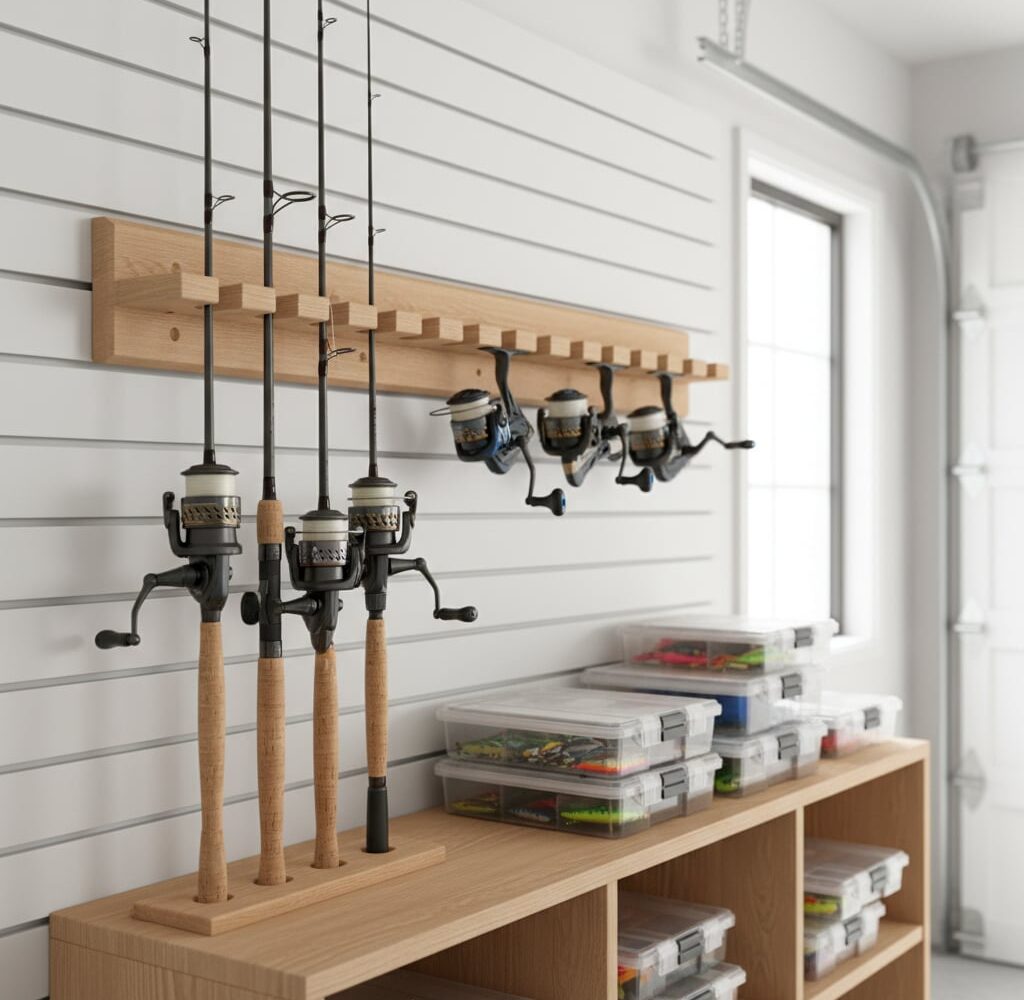
Fishing in the Pacific Northwest is a year-round passion, from casting lines off Tacoma’s waterfront to working the river valleys around Puyallup. But the same rain-soaked, cold climate that makes this region such rich fishing country also creates unique challenges for anyone who wants to keep their gear in top condition between trips. Wet conditions, temperature swings, and long offseasons can quietly destroy equipment that wasn’t stored with intention.
Whether you’re working with a full garage in Puyallup or a rented storage unit near the water, this guide from Daffodil Storage walks you through a seamless, step-by-step approach to fishing gear storage at home and beyond.
How To Store Fishing Rods: Vertical vs. Horizontal
When it comes to how to store fishing rods, the debate usually comes down to two approaches: vertical and horizontal. Both have merit, but each suits different spaces and storage durations. Understanding the trade-offs helps you make the right call for your setup.
Vertical rod storage, using wall-mounted rod racks or ceiling hooks, is widely considered the best option for long-term rod health. Storing rods tip-up or tip-down keeps the blank straight and eliminates the pressure on guides that can occur when a rod rests horizontally across two contact points for weeks or months. For PNW anglers storing gear through a long, cold Puget Sound winter, vertical storage also reduces the risk of blank brittleness that can develop when rods are under sustained lateral stress in a cold environment.
Horizontal storage, using foam-lined rod tubes or wall-mounted horizontal brackets, works well for short-term storage or transport. Rod tubes, in particular, are excellent for protecting tips and guides during moves or when rods are stored in a shared space like a closet or storage unit.
Before storing any rod, run through this quick checklist:
- Loosen the drag on any reel still attached to the rod.
- Remove all lures and terminal tackle from the line.
- Wipe the rod down with a dry cloth, paying attention to the guides and ferrules.
- Slide the rod into a padded sleeve or tube before placing it in a rack or on hooks.
Short on space? A DIY PVC pipe rack is a budget-friendly solution that works surprisingly well in a garage corner or closet. Cut sections of PVC pipe to cradle rod handles vertically, mount them to a piece of plywood, and you’ve got a custom rod holder for under $20. It’s one of the most practical fishing gear storage solutions at home for anglers who don’t want to invest in a commercial rack right away.
Fishing Reel Storage: Cleaning and Protecting Your Investment
Reels are often the most expensive single component of a fishing setup, and they’re also the most vulnerable to damage from improper storage.
If you’ve been fishing in or near saltwater or brackish conditions, rinsing your reels with fresh water is non-negotiable before any storage period. Salt residue accelerates corrosion on internal components in ways that aren’t always visible until real damage has already been done. A gentle rinse and a thorough air-dry go a long way.
From there, a solid pre-storage maintenance routine looks like this:
- Rinse the reel with fresh water and allow it to dry completely before proceeding
- Apply reel oil to all moving parts, including bail arms, line rollers, and handle knobs on spinning reels; the level wind, pawl, and handle on baitcasters
- Back off the drag completely to relieve spring tension during storage
- Store in an individual cloth or mesh bag and never in an airtight plastic container that can trap condensation as temperatures fluctuate
Speaking of temperature: reels should be kept in a space with a consistent temperature range. In environments where temperatures swing dramatically, like an uninsulated garage during a PNW winter, lubricants can break down or thicken, which affects reel performance when you pull it out for the next season. A heated storage unit is worth considering for anglers storing gear through the offseason without a climate-stable space at home.
It’s also worth noting that spinning reels and baitcasters have slightly different maintenance needs. Spinning reels benefit from a drop of oil on the line roller and bail spring, while baitcasters require attention to the level wind mechanism and braking system. When in doubt, consult your reel’s manual. Most manufacturers publish detailed offseason maintenance guides online.
Tackle Storage Ideas: Organizing Lures, Hooks, and Line
Some of the best tackle storage ideas range from simple to elaborate, but the most effective systems share one thing in common: intentional organization. Rather than tossing everything into one large box, think in categories: lure type, fish species, or fishing technique.
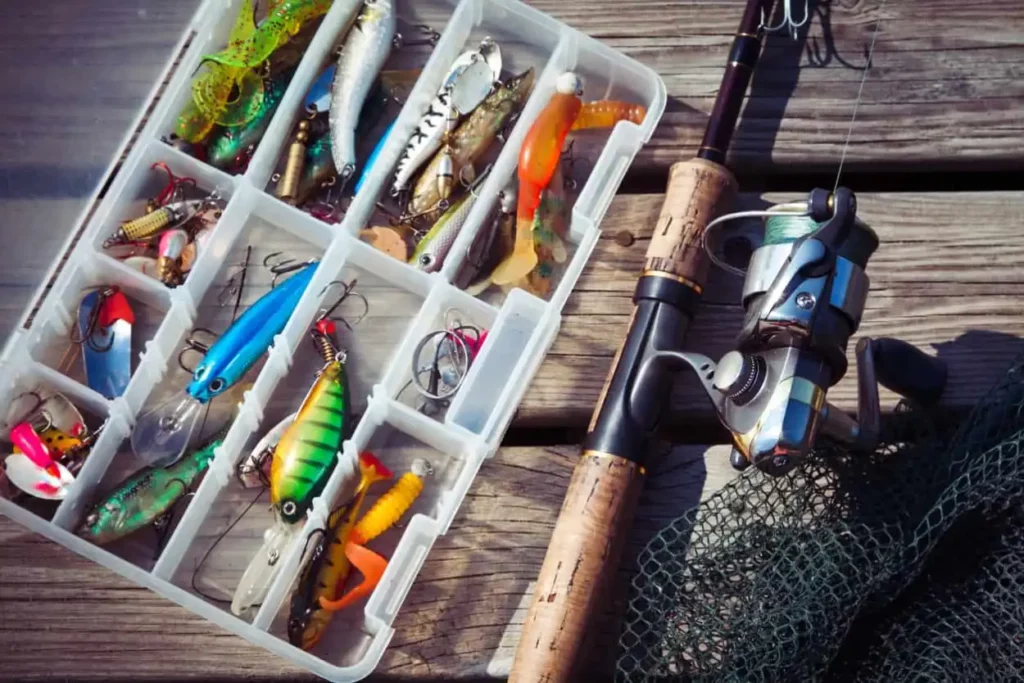
Stackable tackle trays and utility boxes with labeled dividers are the foundation of any good system. Clear-lid boxes let you see what’s inside without opening every tray, and modular designs allow you to grab only what you need for a specific outing.
One rule that experienced anglers swear by: always separate soft plastics from hard lures. Certain soft plastic materials contain chemical plasticizers that react with hard lure finishes and paint, causing them to melt or stick together over time. Store soft baits in their original packaging or dedicated soft plastic trays to avoid this frustrating (and costly) problem.
For small-space anglers in Seattle or Tacoma apartments, consider these space-saving options:
- Over-the-door organizers with clear pockets are great for storing small lure packs, tools, and spare line spools.
- Pegboard walls in a garage or utility closet. Mount hooks, bins, and rod holders to keep everything visible and within reach.
- Rolling tackle carts that are portable, stackable, and easy to wheel to the car on the way out the door.
Ready for Your Next Cast: Choosing the Right Storage Setup
For anglers in Puyallup, Tacoma, or the greater Seattle area who simply don’t have the space at home to store everything properly, short-term storage for fishing equipment is a practical and affordable solution. Renting a unit from Daffodil Storage between seasons means your rods, gear bags, and coolers aren’t competing for space in your living room or hallway, and a temperature-regulated environment keeps everything in better condition than an uninsulated shed or garage ever could. Our unit size guide is a helpful starting point for figuring out exactly how much room you need without overpaying for space you won’t use.
If you’re storing gear near Tacoma, heated storage in Tacoma offers a consistent-temperature environment that protects reels, line, and other temperature-sensitive components through the coldest months. For those based closer to Puyallup, our heated storage options in Puyallup provide the same peace of mind without the drive.
Think of gear storage as part of the fishing experience itself, not just an afterthought. Anglers who take care of their equipment between trips spend less time troubleshooting and more time actually fishing. Visit a Daffodil Storage facility and reserve your space today.